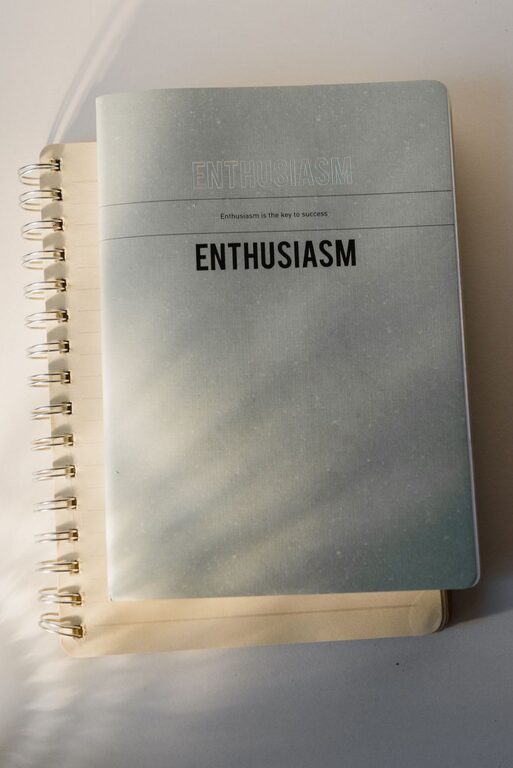
A notebook can be a simple place to capture ideas, plan your day, track projects, or write for enjoyment. Yet many notebooks end up sitting unused in a drawer. The problem is often not a lack of motivation. It is a mismatch between the notebook and the way you naturally work.
The best notebook is not necessarily the most expensive, attractive, or highly rated one. It is the one that feels easy to pick up and use. Before buying your next notebook, consider your habits, preferred writing tools, daily routine, and the type of information you want to record.
Start with the notebook’s purpose
A notebook works best when it has a clear role. Think about what you want to use it for before comparing covers, paper, and page layouts.
Common purposes include:
– Daily planning
– To-do lists
– Meeting notes
– Journaling
– Creative writing
– Sketching
– Reading notes
– Travel planning
– Recipe collection
– Idea capture
– Study notes
– Project organization
You may want one notebook for a specific purpose or a flexible notebook for several types of notes. If you are unsure, start with a general notebook and use simple sections. You can divide the pages with tabs, sticky notes, or handwritten headings.
Avoid choosing a notebook based only on an ideal version of yourself. If you rarely write long journal entries, a notebook designed for lengthy reflections may feel like work. If you usually jot down quick reminders, a compact notebook with easy-to-scan pages may suit you better.
Choose a size that fits your routine
Notebook size affects whether you carry it, where you use it, and how much you can write on each page.
Pocket notebooks
Small notebooks are useful for quick notes, shopping lists, ideas, and reminders. They fit easily into a pocket or small bag and are convenient for people who prefer to write in short bursts.
Their main limitation is space. A pocket notebook may not work well for detailed notes, sketches, or long planning sessions. You may also need to replace it more often.
Medium notebooks
Medium notebooks offer a balance between portability and writing space. They are often a good choice for everyday use because they fit in most bags without feeling too bulky.
This size works well for daily planning, work notes, journaling, and general writing. If you are choosing your first notebook, a medium format is a practical starting point.
Large notebooks
Large notebooks provide plenty of room for detailed notes, diagrams, brainstorming, and creative work. They can be especially useful at a desk or in a home office.
The tradeoff is portability. A large notebook may be less likely to leave your desk, which is fine if you mainly write in one place. Choose a larger format when page space matters more than carrying convenience.
Pick a page layout you will enjoy using
The page design should match the way you write. A beautiful layout is not helpful if it makes every entry feel complicated.
Lined pages
Lined pages are versatile and familiar. They are a strong choice for writing, lists, notes, and journaling. Look for line spacing that matches your handwriting. Wider lines may feel more comfortable if you write with large letters, while narrow lines can make better use of space.
Blank pages
Blank pages offer maximum flexibility. They work well for sketches, diagrams, mind maps, lettering, and free-form notes.
However, some people find blank pages less inviting for regular writing. If your lines tend to slope or you prefer visual structure, a notebook with light guidelines may be easier to use.
Grid pages
Grid paper provides subtle structure without restricting your layout. It is useful for charts, planning, diagrams, calculations, and organized notes.
Choose a grid size that is visible enough to guide you but light enough to stay in the background. Small grids are helpful for detailed work, while larger grids can feel more open.
Dotted pages
Dotted pages offer a middle ground between lined and blank paper. The dots can guide writing, lists, calendars, and diagrams while keeping the page visually clean.
They are popular for flexible planning systems, but they may not be ideal if you prefer strong lines or do not need page guidance.
Consider the paper quality
Paper affects how enjoyable a notebook feels and which pens you can use. If ink bleeds through the page or takes too long to dry, you may avoid using the notebook.
Think about the writing tools you already own. Ballpoint pens, pencils, gel pens, markers, and fountain pens can all behave differently on the same paper.
When possible, check for:
– Smoothness
– Paper thickness
– Ink show-through
– Ink bleeding
– Drying time
– Eraser performance
– Comfort during long writing sessions
Thicker paper is often more pleasant for wet ink and heavy writing, but it can make the notebook larger and heavier. If you mostly use a pencil or ballpoint pen, you may not need premium paper.
Match the binding to your habits
The binding determines how easily a notebook opens and how comfortable it is to write in.
Spiral binding
Spiral notebooks usually open flat, making them convenient for writing with one hand or using on a small surface. Some can fold completely backward, which saves space.
The spiral may feel uncomfortable under your hand, especially when writing near the edge of the page. It can also catch on items in a bag.
Sewn binding
Sewn notebooks often open relatively flat and can be durable. They may have a classic appearance and a pleasant writing experience.
Some sewn notebooks do not lie completely flat until they have been used for a while. Check the opening action if flat pages are important to you.
Glued binding
Glued notebooks can be affordable and slim. They are easy to carry and often available in many sizes and page styles.
The pages may not stay open without help, and heavily used notebooks can show wear along the spine. This style works well for temporary notes or lightweight everyday use.
Ring or disc binding
Ring and disc systems allow pages to be moved, added, or removed. They are useful if you like rearranging information or combining planning pages with notes.
They can be bulkier than standard notebooks, and the pages may not turn as smoothly. Choose this format if customization is more important than simplicity.
Make it easy to reach
A notebook’s location can matter more than its features. If it is stored in a drawer, you may forget it exists. Keep it where the action happens.
Place a notebook:
– Beside your computer for work notes
– Near the bed for evening thoughts
– By the door for reminders
– In your bag for notes on the go
– On your desk for daily planning
– In the kitchen for lists and meal ideas
You may also want a simple pen attached to the notebook or stored nearby. Reducing the number of steps between having an idea and writing it down makes regular use more likely.
Avoid making the notebook too precious
A notebook can be so attractive or expensive that you become afraid to write in it. You may wait for the perfect idea, neat handwriting, or important occasion. This defeats its purpose.
A useful notebook does not need perfect pages. Leave space for rough notes, crossed-out words, unfinished thoughts, and mistakes. Consider writing a few ordinary notes on the first page as soon as you buy it. This removes the pressure to keep it untouched.
If you tend to protect special notebooks, choose an affordable everyday model and save premium notebooks for projects where their features genuinely matter.
Test before committing
If possible, try a notebook before buying several at once. Write a few lines with your usual pen. Turn the pages, check how it opens, and hold it in the way you normally write.
Ask yourself:
– Is it comfortable to carry?
– Can I write without pressing too hard?
– Does the page size suit my handwriting?
– Can it lie flat enough?
– Will I use it in the places where I spend time?
– Does the layout help or distract me?
– Can I afford to replace it when it is full?
Your answers will tell you more than appearance alone.
The best choice is the one you will reach for
Choosing a notebook is really about designing a low-effort writing habit. Select a size that fits your lifestyle, a layout that supports your thinking, and paper that works with your favorite pen. Keep the notebook visible and give it a clear purpose.
You do not need the perfect notebook. You need one that feels comfortable, practical, and easy to use today. When a notebook fits your real habits instead of your imagined routine, it is far more likely to become part of your everyday life.

Related Posts