
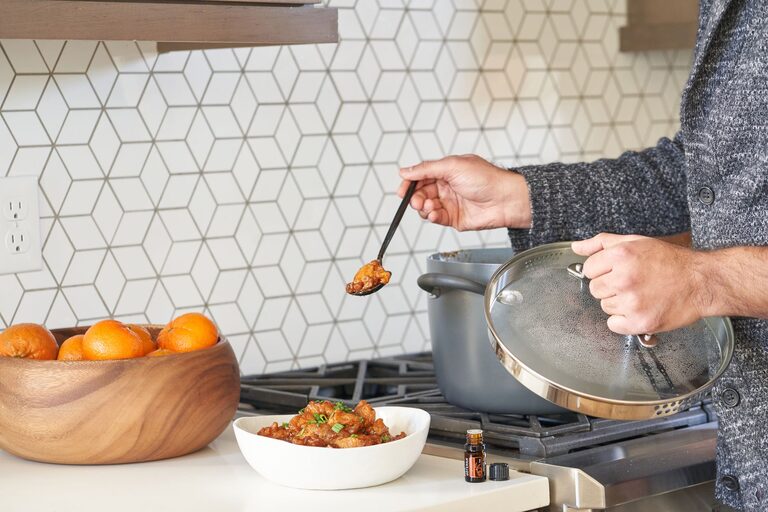
A slow cooker is one of the easiest kitchen tools for preparing comforting meals with little hands-on work. Once the ingredients are added, the cooker gently heats them over several hours while you handle other tasks.
Whether you are making soup, stew, shredded meat, or a simple vegetable dish, learning a few basic techniques will help you get better results. This beginner guide explains how slow cookers work, what ingredients to use, and how to avoid common mistakes.
How a Slow Cooker Works
A slow cooker has a heated base, a removable cooking insert, and a lid. Most models offer low, high, and warm settings.
The cooker heats food gradually and maintains a steady temperature. This slow cooking process allows flavors to develop and helps tougher cuts of meat become tender over time.
Typical cooking times are:
– Low: About 6 to 10 hours
– High: About 3 to 5 hours
– Warm: Keeps already-cooked food warm for serving
Cooking times vary depending on the recipe, the size of the ingredients, and the model of your slow cooker. Always follow the recipe instructions and check that food is fully cooked before serving.
Choosing the Right Slow Cooker
Slow cookers come in several sizes and shapes. A small model is useful for dips, sauces, and meals for one or two people. A medium or large model works better for family meals and batch cooking.
Consider these features when choosing a slow cooker:
– Capacity: A 3- to 4-quart model suits smaller households, while a 5- to 7-quart model is useful for larger portions.
– Removable insert: An insert that lifts out makes serving and cleaning easier.
– Clear lid: A glass lid lets you check the cooking process without opening the cooker.
– Simple controls: Basic low, high, and warm settings are enough for most recipes.
– Timer function: Some models switch to warm when cooking time ends.
Do not fill the cooker beyond the manufacturer’s recommended level. In most cases, filling it between one-half and two-thirds full helps food cook evenly.
Preparing Ingredients
One of the main benefits of a slow cooker is that most preparation can be done in advance. Chop vegetables, measure seasonings, and prepare meat before adding everything to the cooker.
Cut Ingredients Evenly
Cut vegetables and meat into similar-sized pieces so they cook at a similar rate. Large pieces may need more time, while very small pieces can become soft too quickly.
Dense vegetables, such as potatoes, carrots, and onions, usually take longer to cook than softer vegetables. Cut them into smaller pieces or place them near the bottom of the cooker, where heat is more consistent.
Brown Meat for Extra Flavor
Browning meat before slow cooking is optional, but it can improve the flavor and appearance of the finished dish. Heat a skillet, add a small amount of oil, and brown the meat on several sides before transferring it to the slow cooker.
This step also allows you to cook onions or garlic in the same pan. Use a little liquid to loosen the browned bits from the pan, then add them to the slow cooker for extra flavor.
Use the Right Amount of Liquid
Slow cookers lose very little moisture because the lid traps steam. For this reason, you usually need less liquid than you would in a stovetop recipe.
Add enough liquid to help create steam and prevent ingredients from drying out, but avoid covering everything unless the recipe calls for it. Too much liquid can produce a thin sauce or watered-down flavor.
Good liquid choices include:
– Broth or stock
– Tomato sauce
– Canned tomatoes
– Coconut milk
– Water combined with seasonings
– A small amount of wine or juice
Layering Ingredients
The order in which you add ingredients can affect the final texture. Place firm, slow-cooking ingredients near the bottom. These include root vegetables, dried beans that have been properly prepared, and larger pieces of meat.
Add softer vegetables and delicate ingredients later when possible. Fresh herbs, dairy products, seafood, and some leafy greens can lose texture if cooked for many hours.
A common layering method is:
- Add firm vegetables to the bottom.
- Place meat or other main ingredients on top.
- Pour in the cooking liquid.
- Add seasonings and sauces.
- Add delicate ingredients during the final part of cooking, if needed.
Avoid packing ingredients too tightly. Leave enough room for heat to circulate.
Setting the Cooking Time
Choose low or high based on your schedule and the recipe. Low cooking is often preferred for tougher cuts of meat and dishes that benefit from a long cooking period. High cooking can be useful when you need a meal sooner.
Try not to switch repeatedly between low and high settings. This can make cooking times difficult to predict.
Keeping the lid closed is also important. Each time you lift the lid, heat escapes and the cooking process slows down. If you need to stir, do so quickly and replace the lid immediately.
Ingredients to Add Later
Some ingredients are best added near the end of cooking.
Dairy Products
Milk, cream, sour cream, and soft cheeses may separate during long cooking. Stir them in during the final 15 to 30 minutes, depending on the recipe.
Pasta and Rice
Pasta can become soft or mushy if cooked for too long. Add it during the last part of cooking, or cook it separately and stir it into the finished dish.
Rice can require a specific amount of liquid and cooking time. For dependable results, follow a slow cooker recipe written for the type of rice you are using.
Fresh Herbs
Dried herbs work well at the beginning because their flavor develops over time. Fresh herbs are often best added near the end or used as a garnish.
Seafood
Fish and shellfish cook quickly compared with meat and vegetables. Add them during the final 15 to 30 minutes so they remain tender.
Food Safety and Storage
Start with fresh ingredients and keep perishable foods refrigerated until you are ready to use them. Do not use the slow cooker to thaw frozen meat. Thaw meat safely in the refrigerator before cooking.
When the meal is finished, check that meat and other ingredients have reached a safe cooking temperature using a food thermometer. Follow the temperature guidance provided by your local food safety authority or the recipe you are using.
Refrigerate leftovers promptly in shallow containers. Store them in the refrigerator and use them within the recommended time for cooked foods. If you will not eat them soon, freeze them in clearly labeled containers.
Do not use the warm setting to reheat cold leftovers. Reheat leftovers thoroughly using a microwave, oven, or stovetop, then use the slow cooker only to keep the hot food warm if appropriate.
Common Slow Cooker Mistakes
Avoid these frequent problems:
– Overfilling the cooker: Too many ingredients can prevent even cooking.
– Using too much liquid: Slow cookers retain moisture, so sauces can become thin.
– Opening the lid often: This extends the cooking time.
– Adding delicate ingredients too early: Dairy, seafood, and pasta may become overcooked.
– Skipping seasoning: Slow cooking can soften flavors, so taste and adjust seasonings near the end.
– Adding frozen meat directly: Thaw it safely before cooking.
– Expecting crisp food: Slow cookers create moist dishes, not browned or crispy surfaces.
Easy Meal Ideas for Beginners
Start with recipes that are forgiving and require simple ingredients. Try:
– Chicken, vegetables, and broth
– Beef and root vegetable stew
– Lentil soup
– Pulled chicken with barbecue sauce
– Chili with beans and tomatoes
– Oatmeal with fruit and spices
– Tomato sauce for pasta
Once you understand how your slow cooker handles heat and moisture, you can adjust ingredients and seasonings with confidence.
Final Tips for Better Results
Read the recipe completely before starting. Prepare ingredients ahead of time, use the correct amount of liquid, and keep the lid closed during cooking.
Taste the dish before serving and adjust salt, pepper, herbs, or acidity with a small amount of lemon juice or vinegar if appropriate. Adding a fresh garnish, such as chopped parsley or green onions, can also brighten a slow-cooked meal.
With a little practice, a slow cooker can make simple ingredients into satisfying meals while saving time in the kitchen.
