
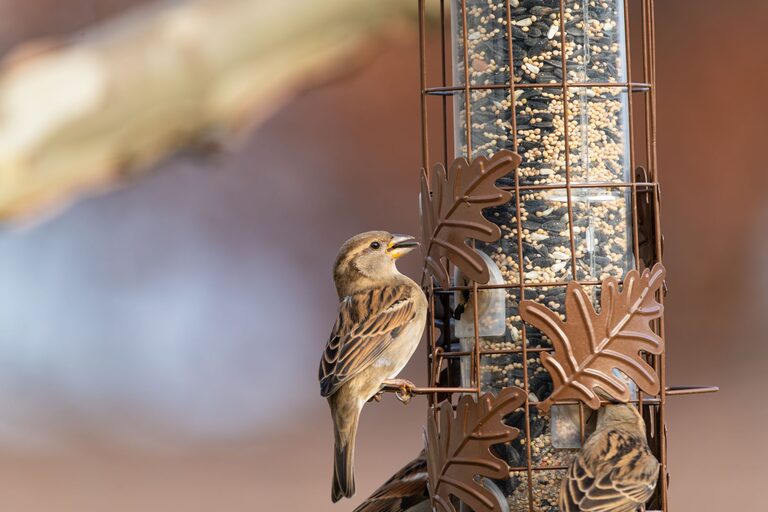
Backyard birdwatching is an easy, relaxing hobby that can be enjoyed almost anywhere. You do not need expensive equipment, a large yard, or expert knowledge to get started. With a few simple supplies and some patience, you can begin noticing the birds that visit your outdoor space and learn more about their behavior.
Whether you live in a city apartment, a suburban neighborhood, or a rural area, these beginner tips will help you create a welcoming space for birds and make the most of every observation.
Start With Simple Equipment
You can begin birdwatching with nothing more than your eyes and ears. However, a few basic tools can make the experience more enjoyable.
Binoculars
A pair of binoculars helps you see birds clearly without disturbing them. For beginners, binoculars with 8x magnification are often a comfortable choice. They are powerful enough for backyard viewing while remaining fairly easy to hold steady.
When choosing binoculars, look for:
– A comfortable grip
– Clear lenses
– A manageable weight
– Adjustable eyepieces
– A focus wheel that turns smoothly
You do not need the most expensive pair. A reliable, midrange option is usually enough for casual backyard birdwatching.
Field Guide or Birding App
A field guide can help you compare bird shapes, colors, markings, and habitats. Choose a guide that focuses on birds in your region rather than one covering the entire world.
Bird identification apps are also useful. Many allow you to search by location, size, color, or behavior. Some can suggest possible species based on a photograph or recording, but it is still helpful to compare the suggestion with a trusted guide.
Notebook and Pencil
Keep a small notebook near a window or outdoor observation spot. Write down:
– The date and time
– Weather conditions
– Bird species or possible species
– Number of birds seen
– Notable behaviors
– Where the birds were feeding or resting
Recording your sightings helps you notice patterns over time. You may discover that certain birds appear only in the morning, after rain, or during particular seasons.
Make Your Yard Bird Friendly
Birds need food, water, shelter, and safe places to raise their young. You can provide these resources in simple ways, even in a small outdoor area.
Offer Suitable Food
A bird feeder can bring more birds within viewing range. Start with one feeder and a general-purpose seed mix. Black oil sunflower seeds are popular with many common backyard birds, while millet may attract smaller ground-feeding species.
Different feeders attract different birds:
– Tube feeders are useful for small perching birds.
– Platform feeders can accommodate larger birds.
– Suet feeders attract birds that enjoy high-energy foods.
– Ground trays may appeal to birds that prefer feeding below shrubs.
Keep birdseed fresh and dry. Remove wet, moldy, or spoiled food, and avoid placing feeders where cats or other predators can easily hide nearby.
Provide Clean Water
A shallow birdbath can be one of the best additions to a backyard. Birds use water for drinking and bathing, especially during hot or dry weather.
Place the birdbath in a location where birds can see approaching danger but still have nearby branches or shrubs for cover. Change the water regularly and scrub the basin to prevent buildup. A shallow container is safer for birds than a deep one.
Moving water, such as a small bubbler, may attract birds and help keep the water fresher. Always make sure the water feature is easy to clean.
Add Plants and Shelter
Native plants can provide food, shelter, and nesting materials. Trees and shrubs give birds places to rest and hide, while flowering plants may attract insects that some birds eat.
Consider adding:
– Native shrubs with berries
– Seed-producing flowers
– Evergreen trees for year-round cover
– Dense bushes for protection
– Plants with different heights and textures
A natural-looking yard does not need to be perfectly tidy. Fallen leaves, small branches, and brush piles can provide useful habitat. Keep these features away from doors, walkways, and other areas where they may become a safety concern.
Learn to Identify Birds
Bird identification becomes easier when you focus on several features instead of one color or marking.
Notice Size and Shape
Compare the bird with something familiar, such as a sparrow, robin, or crow. Pay attention to its body shape, bill length, tail shape, and posture.
Ask yourself:
– Is the bird small, medium, or large?
– Is its body round, slim, or long?
– Is the bill short and thick or long and pointed?
– Does the tail appear square, rounded, or forked?
These details can narrow down the possibilities quickly.
Look at Color and Markings
Color is helpful, but it can change depending on lighting, weather, and the bird’s age. Look for specific patterns, such as:
– A stripe above the eye
– A colored patch on the throat
– Bars on the wings
– Spots on the chest
– A contrasting tail or head
Try to notice where the color appears rather than simply describing the bird as “blue” or “brown.”
Listen to Bird Sounds
Bird calls and songs can help you find birds that are hidden in trees or shrubs. You do not need to memorize every sound at once. Start by learning the calls of a few common local species.
Pay attention to whether the sound is:
– A short call or a long song
– Repeated in a regular pattern
– Loud and clear or soft and musical
– Coming from high in a tree or close to the ground
Birding apps and online recordings can help you practice, but use them responsibly. Avoid playing loud recordings near birds, especially during nesting season.
Choose the Best Time to Watch
Birds are often most active in the early morning, when they are feeding and singing. Late afternoon can also be productive, particularly when birds are preparing to settle for the evening.
Weather can affect bird activity. Calm mornings may make it easier to hear songs, while light rain can bring birds out to feed. After a storm, birds may visit feeders more frequently.
Do not worry if you cannot watch at the same time every day. Even ten quiet minutes can lead to an interesting observation.
Practice Patient Observation
Birdwatching rewards patience. Sit quietly, move slowly, and avoid sudden gestures. Birds may take several minutes to return after you enter the yard.
Rather than trying to identify every bird immediately, observe what it is doing. Is it searching under leaves, tapping on a tree, hopping across the lawn, or visiting a feeder? Behavior can provide important clues and make each sighting more memorable.
If you are watching from indoors, turn off nearby lights and stand a little away from the window. This reduces reflections and makes it less likely that birds will notice you.
Keep Birds Safe
Responsible birdwatching protects the animals you enjoy observing.
Follow these simple practices:
– Clean feeders and birdbaths regularly.
– Place feeders a safe distance from windows or use window markers.
– Keep cats indoors or supervised.
– Avoid disturbing nests or young birds.
– Do not handle wild birds unless instructed by a qualified wildlife professional.
– Use native plants and avoid chemical products whenever possible.
– Keep food stored securely to discourage rodents and other unwanted visitors.
If you find a young bird on the ground, observe from a distance before taking action. Many fledglings are learning to fly and may still be cared for by nearby parents.
Make Birdwatching a Habit
The best way to improve is to watch regularly. Begin with a goal of identifying five common birds in your area. Once you recognize them, add a few more.
You can also join a local nature group, participate in a community bird count, or share sightings with other birdwatchers. These activities can introduce you to new locations and help you learn from experienced observers.
Most importantly, enjoy the process. Backyard birdwatching is not a competition. Each visit offers a chance to slow down, pay attention, and discover more about the natural world just outside your door.
