
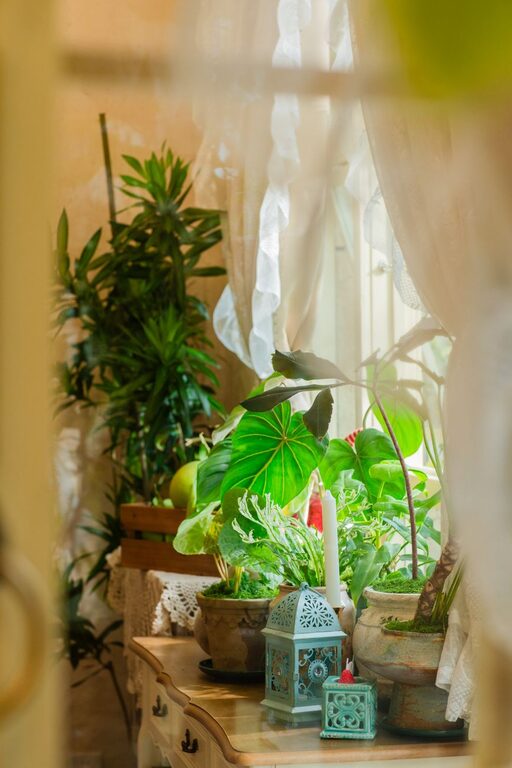
Plants can quickly make a home feel fresher, warmer, and more inviting. They add color, texture, and natural shapes to rooms while helping your space feel more connected to the outdoors. You do not need a large collection or a green thumb to get started. With a few thoughtful choices, plants can refresh almost any area of your home.
Start With the Right Space
Before buying plants, look around your home and consider where they will live. Each room has different amounts of light, humidity, and available space. Choosing a location first can help you select plants that are more likely to thrive.
Check the Light
Notice how much natural light each area receives throughout the day.
– Bright, direct light: Sunny windows are suitable for plants such as succulents, aloe, and many herbs.
– Bright, indirect light: Areas near a window but protected from strong rays work well for plants such as pothos, spider plants, and rubber plants.
– Low light: Darker corners may suit snake plants, cast iron plants, and some varieties of philodendron.
If you are unsure, observe the space for a full day. A room that looks bright in the morning may become darker later. Also consider whether nearby curtains, buildings, or trees block sunlight.
Measure the Available Space
A small plant can disappear on a large shelf, while a tall plant may overwhelm a narrow room. Measure the area before shopping, especially if you are placing a plant beside furniture or in a walkway.
Think about the plant’s full size, not just its size at the store. Some plants grow outward, while others become tall and upright. Leave enough room for leaves and stems to spread naturally.
Use Plants to Add Color and Texture
Plants can serve as living decorations. Their leaves come in many shades of green, along with patterns, stripes, and touches of cream, red, or purple. Combining different leaf shapes can make a room feel more layered and interesting.
Try pairing:
– Tall, narrow plants with low, rounded plants
– Large leaves with delicate, small leaves
– Deep green foliage with lighter green or patterned varieties
– Upright plants with trailing plants
You can also use plants to balance the colors already in a room. A simple green plant looks fresh against white walls, while plants with colorful leaves can add energy to neutral furniture.
Refresh Common Areas of the Home
Every room offers different ways to display plants. Even one carefully placed plant can change the mood of a space.
Living Room
The living room is often the easiest place to make a noticeable update. Place a tall plant beside a sofa, cabinet, or empty corner to add height. A trailing plant can sit on a bookshelf or wall-mounted shelf, allowing its stems to soften hard edges.
Avoid blocking windows, television screens, or walkways. Plants should enhance the room without making it difficult to move around.
Kitchen
The kitchen is a natural place for greenery. Small pots of herbs can sit on a sunny windowsill or open shelf. Basil, mint, rosemary, and thyme can add fragrance and provide fresh ingredients for cooking.
If your kitchen has limited sunlight, choose attractive foliage plants instead. Keep plants away from hot stoves, ovens, and areas where they may be splashed with grease or cleaning products.
Bedroom
A few plants can make a bedroom feel calm and comfortable. Choose simple, easy-care varieties and place them on a dresser, bedside table, or corner stand. Keep larger pots away from narrow walkways and avoid overcrowding the room.
For a softer look, choose plants with gently arching leaves or trailing stems. Neutral planters can also create a quiet, relaxed appearance.
Bathroom
Bathrooms often provide extra humidity, which can suit many tropical plants. If your bathroom has a window, consider plants such as ferns, pothos, or spider plants. For bathrooms without natural light, use artificial plants or move real plants to a brighter location regularly.
Make sure pots have proper drainage. Constantly damp soil can lead to plant problems, especially in rooms with limited airflow.
Create Attractive Plant Displays
The container and arrangement are just as important as the plant itself. A well-chosen display can make a collection look intentional rather than crowded.
Group Plants in Threes
Grouping plants in odd numbers often creates a balanced, natural look. Combine three plants of different heights or textures on a table, bench, or shelf. Keep some space between the pots so each plant can be seen clearly.
Use Plant Stands
Plant stands raise greenery to different levels and help fill empty corners. They are useful when you want to display several plants without placing every pot on the floor. Choose stands that match your existing furniture, such as wood for a warm look or metal for a clean, modern style.
Try Hanging Planters
Hanging planters are a practical choice when floor and shelf space are limited. They work especially well with trailing plants. Hang them securely and place them where they will not interfere with doors, windows, or daily activities.
Refresh the Containers
You do not always need new plants to create a new look. Replacing mismatched containers with a coordinated set can make your collection feel updated. Consider ceramic, terracotta, woven, or simple plastic pots, depending on your style and the needs of the plants.
Always use containers with drainage holes, or place nursery pots inside decorative covers. This makes watering easier and helps protect furniture from excess moisture.
Build a Simple Care Routine
Healthy plants are the best home decoration, so regular care is important. Create a simple routine that fits your schedule.
– Check the soil before watering.
– Remove dry or yellow leaves.
– Turn pots occasionally so plants grow evenly.
– Dust large leaves with a soft, damp cloth.
– Check for insects when watering.
– Rotate plants between brighter and less bright areas when needed.
– Wipe up spilled water to protect floors and furniture.
Avoid watering on a fixed schedule without checking the soil. Some plants need water frequently, while others prefer to dry out between waterings. The amount of sunlight, the season, and the size of the pot can all affect watering needs.
Make Plant Care Easier
Choose plants that match the amount of time you want to spend caring for them. If you travel often or have a busy schedule, begin with dependable varieties such as snake plants, pothos, or ZZ plants. If you enjoy regular care, you may prefer herbs, ferns, or plants that require more attention.
Keep a small care area with useful supplies, including a watering can, pruning scissors, a cloth, and a saucer. Storing these items together makes routine tasks faster and more convenient.
Refresh Your Home Gradually
There is no need to fill every room at once. Start with one or two plants in areas that feel empty or dull. Live with them for a while and notice how they affect the room. You can then add more plants, change their locations, or update their containers as your style develops.
The most successful plant displays are both attractive and practical. Choose plants that suit your home’s light and your daily routine, then arrange them in ways that improve the space without creating clutter. With a little planning and regular care, plants can give your home a fresh, welcoming feel all year long.
