A workspace does not need a complete makeover to feel more personal. Small, thoughtful changes can make your desk more comfortable, organized, and enjoyable to use. Whether you work from home, study, or share an office, your surroundings can support the way you think and work.
Personalizing your workspace is not only about decoration. It is also about choosing tools, colors, layouts, and routines that fit your needs. The goal is to create an area that feels welcoming while helping you stay focused.
Start With a Clean Foundation
Before adding new items, take a few minutes to clear your workspace. Remove anything you no longer use, organize loose papers, and wipe down the desk surface. A clean foundation makes it easier to decide what belongs in the space.
Try sorting everything into three groups:
– Items you use every day
– Items you use occasionally
– Items you no longer need
Keep daily essentials within easy reach. Move occasional items to a drawer, shelf, or storage box. Donate, recycle, or discard items that are no longer useful.
A clear desk does not have to be completely empty. It simply needs to make sense for your routine. Keeping only useful or meaningful items in view can make the space feel calmer and more intentional.
Choose a Color Theme
Color is one of the easiest ways to personalize a workspace. You do not need to repaint the room or replace every accessory. A few small details can create a consistent look.
Choose one main color and one or two supporting shades. For example, you might use:
– Soft blue with white and light wood
– Green with cream and natural textures
– Warm gray with black and tan
– Yellow accents with neutral furniture
Use your chosen colors in simple items such as a notebook, desk mat, pen holder, storage box, or wall print. A consistent color theme can make mismatched items feel more connected.
If you prefer a simple look, use neutral colors as a base and add one brighter accent. This approach adds personality without making the workspace feel crowded.
Add Meaningful Personal Items
Personal items can make a workspace feel like your own. Choose a few objects that bring positive memories or reflect your interests.
Ideas include:
– A framed photo
– A small piece of artwork
– A travel souvenir
– A favorite book
– A handmade object
– A card from a friend
– A small collection of items
Be selective. Too many personal objects can take up valuable space or become distracting. One or two meaningful pieces may have more impact than a large display.
Consider placing personal items where you can see them during breaks, rather than directly in front of you while you work. This keeps them enjoyable without interfering with your main tasks.
Bring in a Plant
Plants can add color, texture, and a natural feeling to a workspace. If you have access to natural light, consider a low-maintenance plant that suits the conditions.
Some popular options include:
– Pothos
– Snake plants
– Small succulents
– Spider plants
– ZZ plants
If your workspace does not receive enough light, an artificial plant can still add visual interest. You can also use a small vase of dried flowers or a simple branch arrangement.
Choose a plant container that matches your color theme. A ceramic pot, woven basket, or simple glass container can become an attractive part of the overall design.
Improve Your Desk Layout
The arrangement of your workspace affects how easily you move through your day. Place the items you use most often in the easiest-to-reach locations.
A practical layout might include:
– Your computer or notebook in the center
– Writing tools on your dominant-hand side
– Frequently used documents in a nearby tray
– A water bottle within reach
– Less frequently used items in a drawer or cabinet
Leave enough open space for writing, planning, or handling other materials. If your desk feels crowded, use vertical storage such as shelves, wall organizers, or monitor stands.
You can also create small zones for different activities. One area might be for computer work, another for writing, and another for reading or planning. Even a small desk can feel more organized when each section has a clear purpose.
Personalize Your Lighting
Good lighting can change the mood of a workspace. If possible, place your desk near a window while avoiding glare on your screen. Natural light can make the area feel brighter and more inviting.
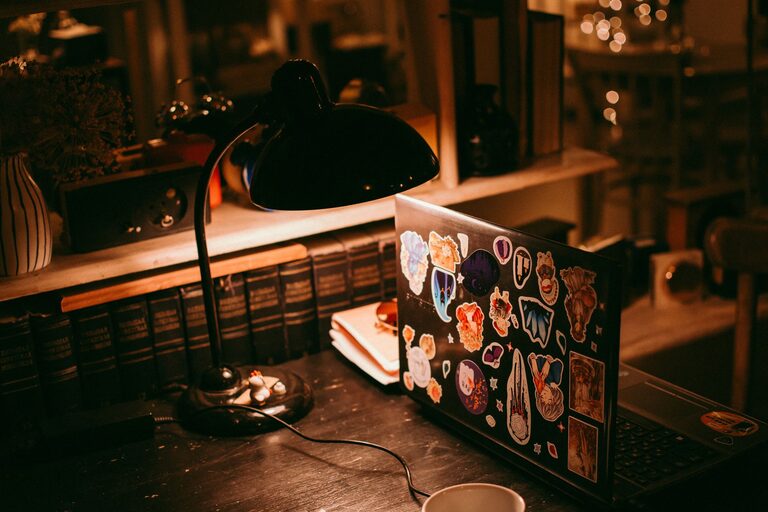
For additional lighting, choose a desk lamp that suits your style. Options include:
– A simple metal lamp for a modern look
– A wooden lamp for a warm, natural feel
– A colorful lamp for a playful accent
– An adjustable lamp for flexible task lighting
A lamp with an adjustable arm can direct light where you need it. You can also use a small decorative light for atmosphere, especially if you work during the evening.
Keep cords neat by using clips, ties, or a cable box. Reducing visible cable clutter can make a noticeable difference in the appearance of your workspace.
Use Wall Space Carefully
Walls offer useful space for organization and decoration. A small bulletin board, calendar, or whiteboard can help you keep important information visible.
You might use wall space for:
– A weekly schedule
– A project checklist
– Inspirational artwork
– A simple calendar
– Photos or postcards
– Notes and reminders
Avoid covering every available surface. Leave some empty space so the area does not feel overwhelming. A balanced arrangement can be both useful and attractive.
If you rent your workspace or do not want to make permanent changes, try removable hooks, adhesive strips, or a freestanding display board.
Choose Comfortable Accessories
Personalization should also improve how your workspace feels to use. Select accessories that support comfort and fit your work habits.
Helpful additions may include:
– A supportive chair cushion
– A footrest
– A desk mat
– A monitor stand
– A soft wrist rest
– A reusable water bottle
– A notebook for planning
Choose items based on your needs rather than following every design trend. A stylish accessory is most valuable when it is also practical.
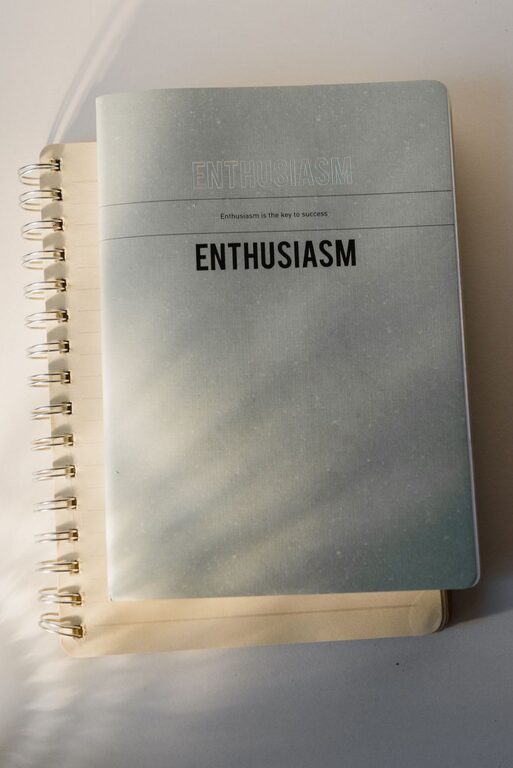
You can make ordinary tools feel more personal by selecting designs you enjoy. A favorite notebook cover, patterned desk mat, or colorful set of folders can add character without taking up much space.
Create a Small Inspiration Area
A small inspiration area can give your workspace a clear visual focus. This could be a section of wall, a shelf, or one corner of your desk.
Use it to display items that encourage creativity or remind you of your goals. Possible additions include a short quote, a mood board, a sketch, or a collection of images.
Keep the display simple and update it from time to time. Changing a few items each season can refresh the workspace without requiring a major redesign.
Make It Easy to Reset
A personalized workspace is easier to enjoy when it is simple to maintain. Create a quick reset routine at the end of the day.
Your routine might include:
- Returning tools to their usual places
- Filing or sorting loose papers
- Clearing empty cups and packaging
- Checking the next day’s priorities
- Wiping the desk when needed
Assigning a specific place to each item makes tidying faster. Storage trays, small boxes, and drawer organizers can help keep everyday objects under control.
Personalize Gradually
You do not need to complete your workspace all at once. Start with the changes that will have the greatest effect, such as clearing clutter, improving lighting, or adjusting the layout.
Then add personal touches over time. Pay attention to what makes the space more comfortable and what creates distractions. A workspace should reflect your habits, not just a particular style.
With a few simple updates, you can create an area that feels organized, inviting, and uniquely yours. The best workspace is one that supports your daily activities while making you feel comfortable each time you sit down.

Related Posts